
Not sure whether your child needs braces yet? The first orthodontic visit is a low-pressure look at how the teeth and jaw are developing.
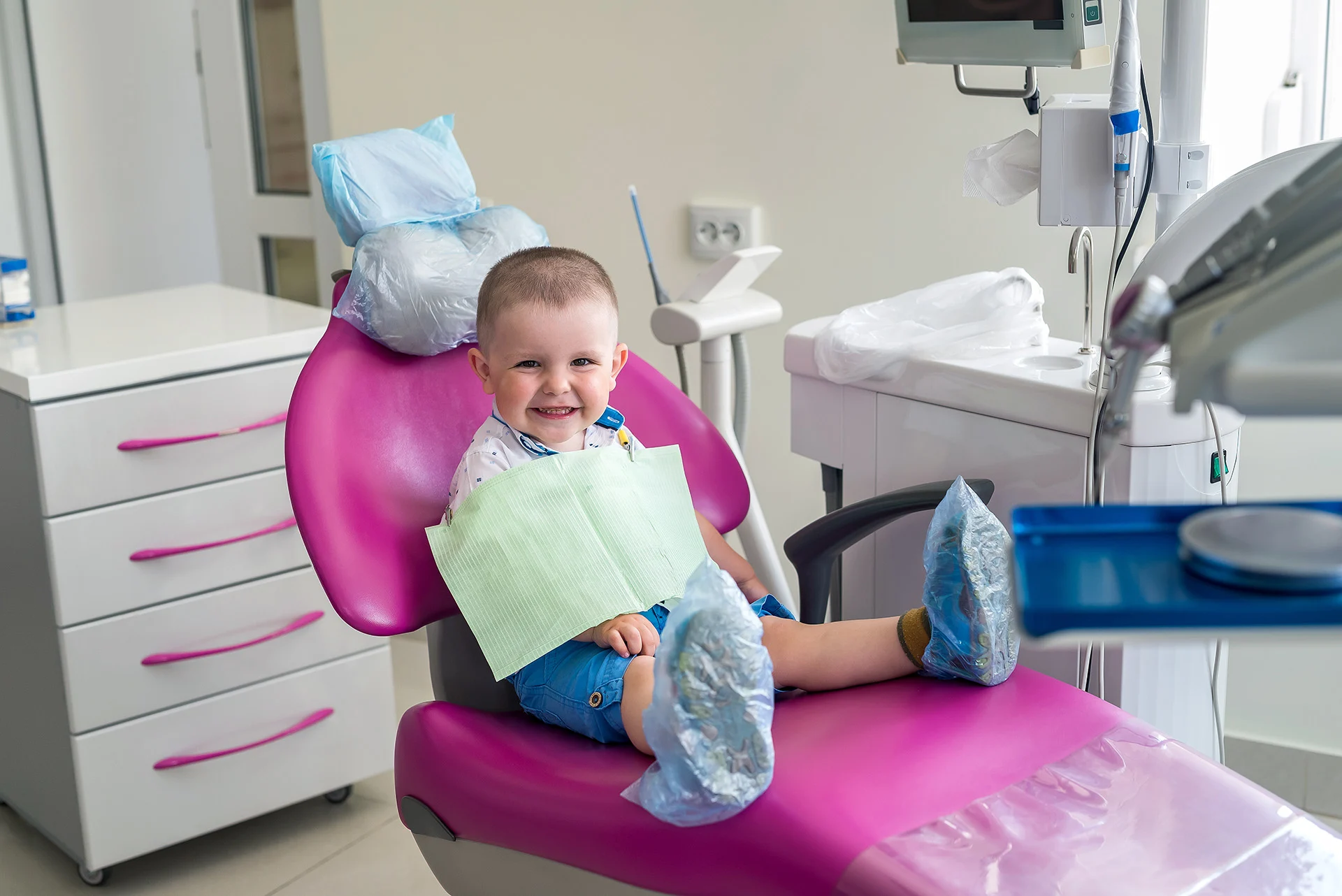
Your first visit is about information, not commitment. We review dental and medical history, examine the teeth, jaw, and bite, and take digital images and X-rays as needed. From there we explain what we see in plain language: whether treatment is needed now, whether it makes more sense to monitor growth for a year or two, and what the realistic options, timelines, and costs would be. You leave with a written plan and answers, and you decide when and whether to start. You can also see what we do as an orthodontist for kids in San Marcos before you book.


The American Association of Orthodontists recommends a first orthodontic evaluation by age 7, even if no treatment is needed yet.
Insurance-friendly office
Healthcare financing
Membership plans available
See real patient success stories.
Phase 1 orthodontics is particularly important in patients who may have serious jaw problems or a narrow palate. These issues can interfere with the development of a healthy bite. In the future, this could lead to problems when the permanent teeth erupt, speech impediments, premature tooth wear, and lots of other problems. With early interceptive orthodontics, these complex issues can be reduced or eliminated.
Early interceptive orthodontics helps the adult teeth erupt in the proper places, and can reduce or even eliminate the misalignment of adult teeth. This improves your child’s smile and oral health. In some cases, they may not even need braces (phase 2 orthodontics) to straighten their teeth.
A bad bite and misaligned teeth can contribute to or cause lots of other problems like disordered breathing, a higher risk of gum disease and tooth decay, speech issues, and much more. Proper care from an expert orthodontist will prevent all of these problems and more.

Your child's first visit starts with a conversation, not a treatment plan. We'll ask what you've noticed at home, talk through your questions, and get to know your child so they feel comfortable in the chair before anything else happens.

Next, we take digital images and x-rays and perform a full orthodontic exam. This lets us see how the permanent teeth are coming in, how the jaws are growing, and whether the bite is developing the way it should — including anything that isn't visible from the outside.

Then we sit down with you and explain what we found in plain language. Sometimes the answer is treatment, and sometimes the answer is simply to keep monitoring your child's growth at no cost. Either way, you'll leave knowing exactly where things stand and what happens next.

The American Association of Orthodontists recommends a first orthodontic check-up by age 7, or sooner if you notice something that concerns you. By that age there are enough permanent teeth in place for us to see how the jaws are developing and catch problems while they're still easy to guide.
Not at all. Many first visits end with a recommendation to simply keep monitoring your child's growth, and we're happy to do that over time at no cost. The point of coming in early is information, not commitment — it lets us treat at the right moment instead of the late moment.
We'll talk with you about what you've noticed, take digital x-rays and images, and perform a full orthodontic exam. Then we explain what we found in plain language and give you a clear recommendation. Plan on about an hour, and bring any questions you've been sitting on.
Consultations at our San Elijo Hills office are complimentary. If treatment is recommended, we'll go over the full cost, your insurance benefits, and payment options before you decide anything — no pressure and no surprises later.
Keep it simple and positive: tell them they're going to meet a doctor who helps kids get straight, healthy smiles, and that nothing will hurt. Our team spends the first part of the visit just getting to know your child. Kids who know what to expect do far better in the chair.


.webp)
.webp)
.webp)
