
The teen years are the sweet spot for orthodontics — the adult teeth are in, the jaw is still growing, and treatment tends to move faster.

Most teens are excellent orthodontic candidates because their permanent teeth have come in while the jaw is still developing, so teeth respond quickly to treatment. Options include traditional metal braces, tooth-colored ceramic braces, and clear aligners for teens who want a discreet look and are disciplined about wear time. We walk through the trade-offs of each — appearance, cost, treatment length, and how much responsibility it puts on your teen — and recommend the option that fits your family. Every plan ends with a retainer to hold the result. Our page as an orthodontist for teens in San Marcos goes further into timing and treatment choices for this age group.
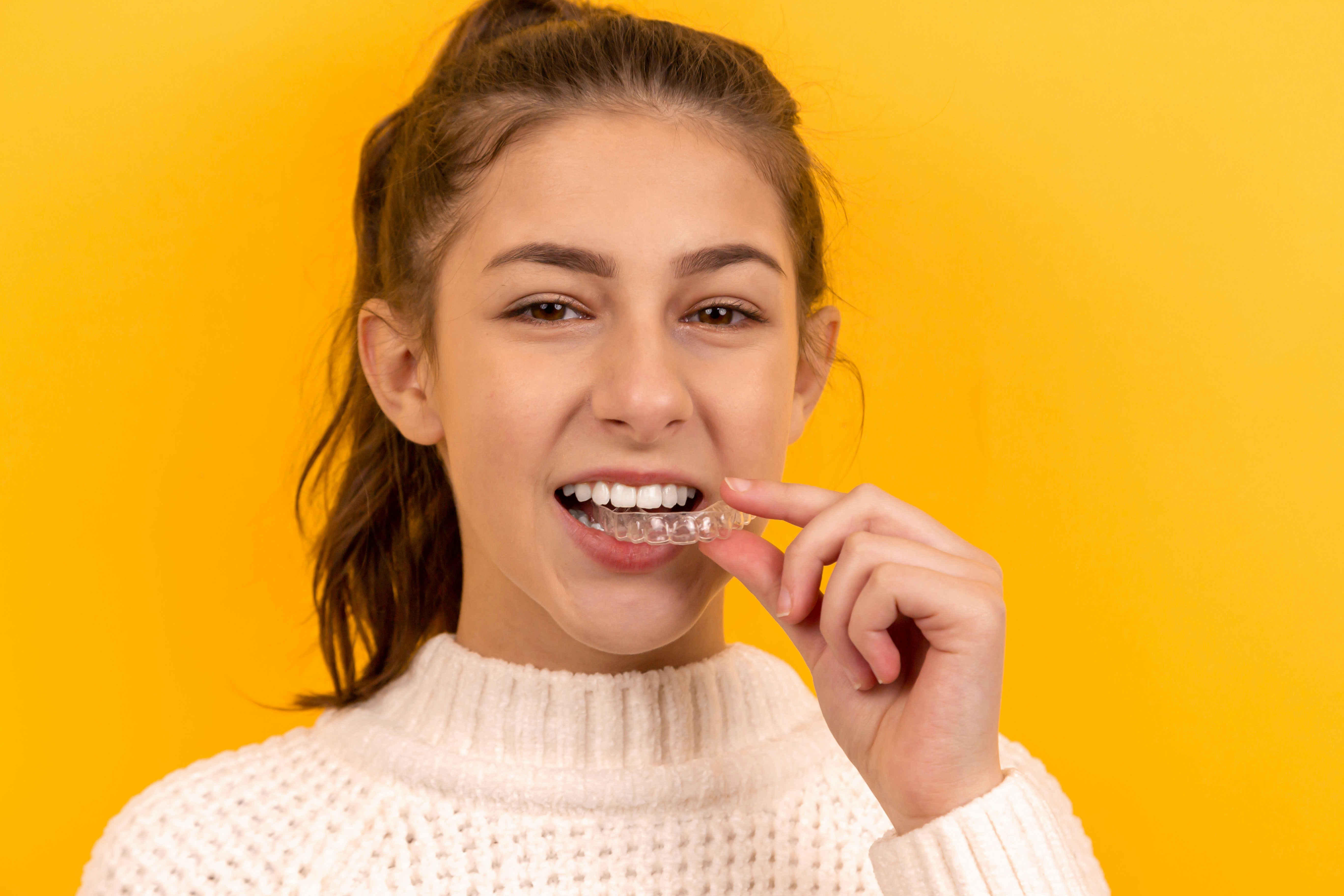

Teens who choose clear aligners need to wear them 20 to 22 hours a day for treatment to stay on schedule.
Insurance-friendly office
Healthcare financing
Membership plans available
See real patient success stories.
Phase 1 orthodontics is particularly important in patients who may have serious jaw problems or a narrow palate. These issues can interfere with the development of a healthy bite. In the future, this could lead to problems when the permanent teeth erupt, speech impediments, premature tooth wear, and lots of other problems. With early interceptive orthodontics, these complex issues can be reduced or eliminated.
Early interceptive orthodontics helps the adult teeth erupt in the proper places, and can reduce or even eliminate the misalignment of adult teeth. This improves your child’s smile and oral health. In some cases, they may not even need braces (phase 2 orthodontics) to straighten their teeth.
A bad bite and misaligned teeth can contribute to or cause lots of other problems like disordered breathing, a higher risk of gum disease and tooth decay, speech issues, and much more. Proper care from an expert orthodontist will prevent all of these problems and more.

We start by examining your teen's bite and taking digital records, then walk through the realistic options together — traditional metal braces, ceramic braces, or clear aligners. Your teen is part of this conversation, because the treatment they feel good about is the one they'll actually stick with.

Once you've chosen a plan, we place the braces or deliver the first set of aligners. We'll cover the practical stuff your teen actually cares about: what to eat, how to keep everything clean, and how to handle sports, band instruments, and photos.

Your teen will visit us periodically so we can adjust wires or check aligner progress. We work around school and activity schedules whenever we can, and we're honest with your teen about how their habits at home are affecting the timeline.

Teens at our office typically choose between traditional metal braces, ceramic braces that blend in with the teeth, and clear aligners. Each works well; the right pick depends on your teen's bite, their activities, and how much they care about how treatment looks.
Most teen treatment runs somewhere between 12 and 30 months depending on the complexity of the case and how consistently instructions are followed. We'll give you a specific estimate after the exam rather than a generic range.
Yes. A mouthguard is essential for contact sports — we can recommend one that fits over braces. Wind and brass players usually need a couple of weeks to readjust their embouchure, and it does come back.
They can be excellent for a responsible teen, since they're removable and nearly invisible. But they only work when they're worn 20 to 22 hours a day. If your teen is likely to leave them in a locker, braces are the more reliable choice — and we'll tell you honestly what we think.
That's worth taking seriously, because compliance drives results. Bring your teen to the consultation and let them hear the options directly. Ceramic braces and clear aligners exist precisely because appearance matters to teens, and giving them a say usually turns resistance into cooperation.


.webp)
.webp)
.webp)
