
Some bite problems are far easier to correct while your child is still growing. Two-phase treatment tackles them early, then finishes the smile once the adult teeth arrive.
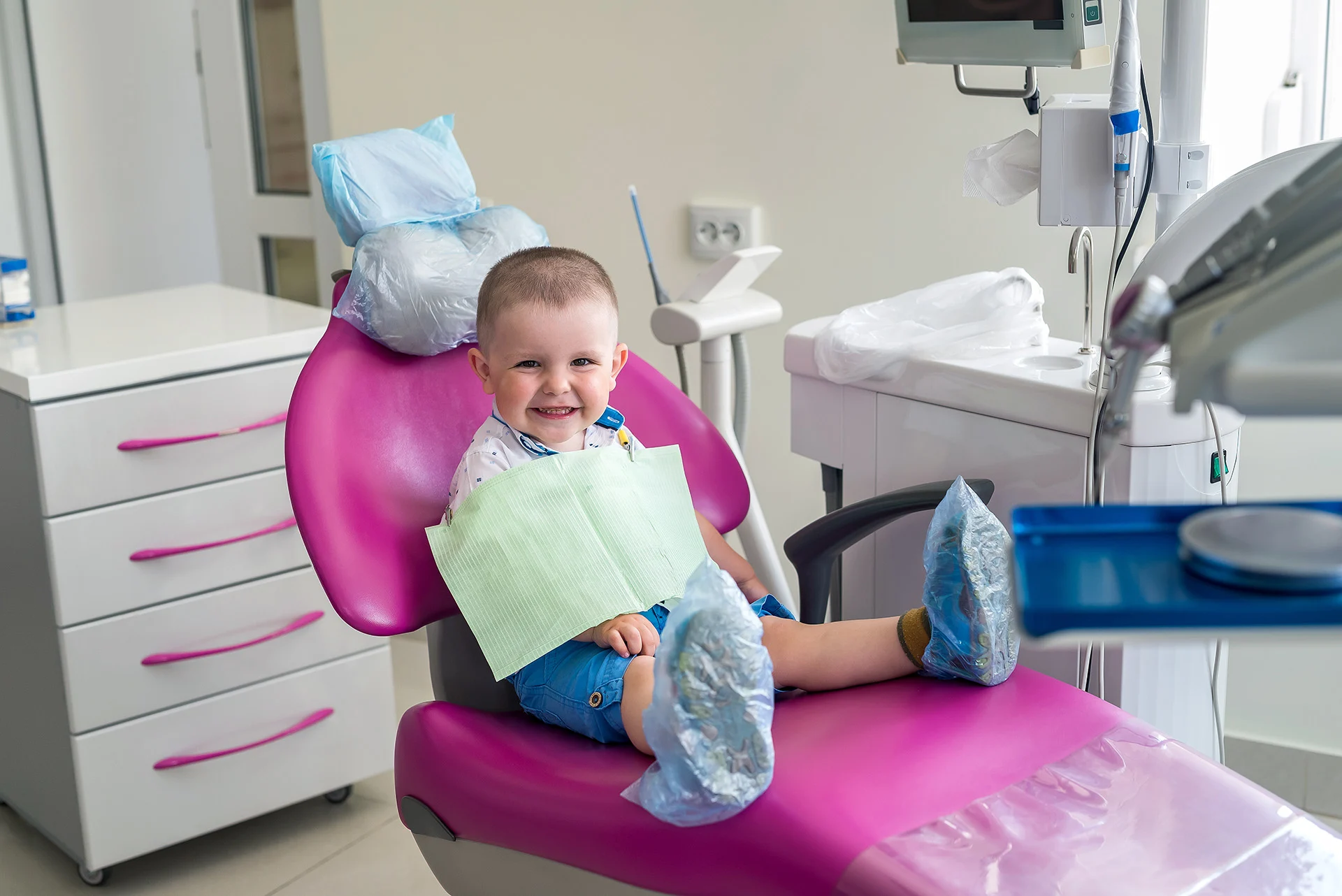
Two-phase treatment splits orthodontic care into two shorter stages. Phase 1 usually happens between ages seven and ten, while your child still has a mix of baby and permanent teeth. It guides jaw growth, makes room for incoming teeth, and corrects issues like crossbites, severe crowding, or protruding front teeth. A resting period follows while the remaining permanent teeth come in. Phase 2 then uses braces or clear aligners to align the full set of teeth and perfect the bite. The payoff is a shorter, simpler second phase and often a better long-term result. For how this fits into childhood treatment overall, see our page as an orthodontist for kids in San Marcos.


The American Association of Orthodontists recommends a first orthodontic checkup by age 7.
Insurance-friendly office
Healthcare financing
Membership plans available
See real patient success stories.
Phase 1 orthodontics is particularly important in patients who may have serious jaw problems or a narrow palate. These issues can interfere with the development of a healthy bite. In the future, this could lead to problems when the permanent teeth erupt, speech impediments, premature tooth wear, and lots of other problems. With early interceptive orthodontics, these complex issues can be reduced or eliminated.
Early interceptive orthodontics helps the adult teeth erupt in the proper places, and can reduce or even eliminate the misalignment of adult teeth. This improves your child’s smile and oral health. In some cases, they may not even need braces (phase 2 orthodontics) to straighten their teeth.
A bad bite and misaligned teeth can contribute to or cause lots of other problems like disordered breathing, a higher risk of gum disease and tooth decay, speech issues, and much more. Proper care from an expert orthodontist will prevent all of these problems and more.

Phase one usually begins while your child still has most of their baby teeth. Using appliances like expanders or partial braces, we guide jaw growth and make room for the permanent teeth that are still on the way. This phase typically lasts about 12 months.

Between phases, your child takes a break from active treatment while the remaining permanent teeth erupt naturally. We'll see them for periodic check-ups during this time to track their growth and decide on the right moment to begin phase two.

Once the permanent teeth are in, phase two straightens and aligns the full smile with braces or clear aligners. Because phase one already created the space and corrected the bite foundation, this phase is often simpler and shorter than it would have been otherwise.

Two-phase treatment splits orthodontic care into two shorter stages with a natural break in between. Phase one guides jaw growth and makes room while your child is still growing; phase two straightens and aligns the permanent teeth once they've come in.
Some problems — a narrow jaw, a crossbite, severe crowding — get harder and more invasive to correct once growth slows down. Addressing them early can reduce the chance of extractions or surgery later, and often makes the second phase shorter and simpler.
Phase one typically runs about 12 months, followed by a resting period while the remaining permanent teeth erupt, then phase two with braces or aligners. Every child's growth is different, so we'll give you a realistic timeline for your child after their exam.
No. During the resting period between phases there's no active appliance — we simply see your child periodically to track their growth and choose the right time to begin phase two.
Cost depends on the appliances involved, the length of each phase, and your insurance coverage. We'll walk you through the full picture and your payment options before treatment begins. Call us at (760) 599-KIDS to schedule a complimentary consultation.


.webp)
.webp)
.webp)
